
Standing at 5,895 meters (19,341 feet) above sea level, Climbing Mount Kilimanjaro rises majestically from the Tanzanian plains as Africa’s highest mountain and the world’s tallest free-standing peak. This dormant volcano has captured the imagination of adventurers worldwide, offering a unique climbing experience that requires no technical mountaineering skills yet demands respect, preparation, and determination.
Understanding Mount Kilimanjaro
Mount Kilimanjaro is not just one peak but a massive volcanic mountain with three distinct volcanic cones: Kibo, Mawenzi, and Shira. Uhuru Peak on the Kibo cone represents the highest point on the African continent. What makes Kilimanjaro particularly remarkable is its accessibility to non-technical climbers, transforming the dream of summiting a major peak into an achievable goal for people with reasonable fitness levels.
The mountain’s location just three degrees south of the equator creates a fascinating ecological phenomenon. Climbers traverse five distinct climate zones during their ascent, from tropical rainforest at the base through moorland, alpine desert, and finally to the arctic summit zone with its glaciers and ice fields. This diversity makes every day of the climb feel like a journey through different worlds.
Choosing Your Route
Seven established routes lead to Kilimanjaro’s summit, each offering distinct advantages, challenges, and experiences. Your route selection significantly impacts your success rate and overall experience.
The Machame Route, known as the “Whiskey Route,” has become the most popular path, typically completed in six to seven days. This route’s popularity stems from its excellent acclimatization profile, with natural “climb high, sleep low” opportunities built into the itinerary. The scenery is spectacular, featuring the dramatic Barranco Wall and stunning views across the Shira Plateau.
The Lemosho Route approaches from the west and is considered one of the most scenic options. With seven to eight days on the mountain, it offers superior acclimatization and higher success rates. The route begins in pristine rainforest and provides a more remote, wilderness experience during the early days.
For those seeking the quickest ascent, the Marangu Route, or “Coca-Cola Route,” offers the only path with sleeping huts instead of tents. Completed in five to six days, this route’s popularity among budget-conscious climbers and its relatively gradual slope make it seem easier, though its shorter duration actually results in lower summit success rates due to inadequate acclimatization time.
The Northern Circuit represents the newest and longest route, circling nearly the entire mountain over eight to nine days. This extended itinerary provides the best acclimatization profile and consequently boasts the highest success rates, often exceeding 90 percent. The trade-off is increased cost and time commitment.
Physical Preparation and Fitness Requirements
While Kilimanjaro doesn’t require technical climbing skills, it demands excellent physical conditioning and mental resilience. The climb is essentially an extended high-altitude trek where you’ll walk for five to eight hours daily while carrying a daypack and dealing with progressively thinner air.
Begin your training program at least three to four months before your climb. Focus on building cardiovascular endurance through activities like hiking, running, cycling, and stair climbing. Weekend hikes with a loaded backpack, gradually increasing in duration and elevation gain, provide the most specific training. Aim to comfortably complete six to eight-hour hikes with 1,000 meters of elevation gain.
Strength training, particularly for legs, core, and back, helps prevent injury and makes the long days more manageable. Don’t neglect flexibility work, as maintaining mobility during the trek aids recovery and reduces soreness.
Mental preparation is equally crucial. Research the climb thoroughly, understand the challenges you’ll face, and develop strategies for maintaining motivation during difficult moments. Many climbers find that summit night, starting around midnight in sub-zero temperatures, tests their mental fortitude more than their physical fitness.
The Altitude Challenge
Altitude sickness represents the single greatest threat to your summit success. As you ascend, atmospheric pressure decreases, delivering less oxygen with each breath despite the oxygen percentage remaining constant at 21 percent. At Kilimanjaro’s summit, you breathe roughly half the oxygen available at sea level.
Acute Mountain Sickness (AMS) affects most climbers to some degree, with symptoms including headache, nausea, fatigue, and difficulty sleeping. More serious conditions like High Altitude Cerebral Edema (HACE) and High Altitude Pulmonary Edema (HAPE) are life-threatening but rare when proper acclimatization protocols are followed.
The golden rule for altitude safety is “climb high, sleep low.” Your body acclimatizes more effectively during rest at lower elevations. This is why longer routes with acclimatization days dramatically increase success rates. Listen to your guides, communicate honestly about symptoms, and never push through severe altitude sickness symptoms.
Proper hydration plays a critical role in altitude adaptation. Aim to drink four to five liters of water daily, even when you don’t feel thirsty. The dry mountain air and increased respiration rate at altitude accelerate dehydration. Your urine should remain clear or pale yellow.
Essential Gear and Equipment
Proper equipment can make the difference between a successful, enjoyable climb and a miserable, dangerous experience. The extreme temperature variations, from tropical heat in the rainforest to arctic conditions at the summit, require a versatile layering system.
Invest in quality boots that are already broken in. They should be waterproof, insulated, and comfortable for long days of walking. Bring multiple pairs of liner socks and outer socks in merino wool or synthetic materials that wick moisture effectively.
Your clothing system should follow the three-layer principle: a moisture-wicking base layer, insulating mid-layers (fleece or down), and a waterproof, breathable outer shell. For summit night, you’ll need heavy insulation, including an expedition-weight down jacket, insulated pants, warm gloves, and a balaclava or face mask.
A quality sleeping bag rated to at least minus 10 degrees Celsius is essential. Many climbers also bring a sleeping bag liner for added warmth and cleanliness. A comfortable sleeping pad with good insulation value helps you rest better at altitude.
Other critical items include a headlamp with extra batteries, trekking poles for stability, a hydration system that won’t freeze, high-altitude sunglasses, and sunscreen with high SPF. Don’t forget personal medications, blister prevention supplies, and altitude sickness medication like Diamox if recommended by your doctor.
What to Expect Day by Day
Each day on Kilimanjaro brings new landscapes, challenges, and rewards. Your guides will set a deliberately slow pace, using the Swahili phrase “pole pole” (slowly, slowly) as a constant reminder. This glacial pace frustrates many fit climbers initially but serves the crucial purpose of aiding acclimatization.
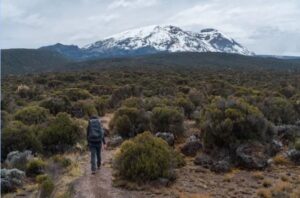
Early days feature relatively gentle terrain through lush rainforest zones, where you might spot colobus monkeys and exotic birds. As you climb into the moorland zone, the vegetation transforms into heath and unusual giant groundsels and lobelias. The air grows thinner, and physical exertion becomes noticeably more difficult.
The alpine desert zone presents a stark, otherworldly landscape of volcanic rocks and minimal vegetation. Here, altitude effects typically intensify, and many climbers experience mild symptoms of altitude sickness. Acclimatization hikes during rest days help your body adapt.
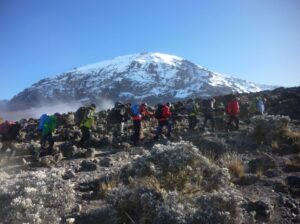
Summit night begins around midnight for most routes. You’ll climb through the arctic zone in darkness, following the bobbing headlamps of your group. The cold bites deep, and the altitude makes every step an effort. Reaching Stella Point or Gilman’s Point on the crater rim brings the first light of dawn and the psychological boost of knowing the summit is close. The final push to Uhuru Peak tests every ounce of determination you possess.
Cultural and Environmental Responsibility
Climbing Kilimanjaro is not just a physical journey but a cultural experience. The mountain lies within Kilimanjaro National Park, and your trek supports local communities through porter employment, guide services, and tourism revenue. Treat your crew with respect and consider tipping generously, as many rely on this income to support their families.
Choose operators committed to ethical treatment of porters, ensuring they receive adequate equipment, reasonable loads (no more than 20 kilograms including personal gear), fair wages, and proper shelter. Organizations like the Kilimanjaro Porters Assistance Project work to improve working conditions.
Practice Leave No Trace principles throughout your climb. Pack out all trash, use designated toilet facilities, and stay on established trails to prevent erosion. The mountain’s glaciers have retreated dramatically in recent decades due to climate change, making environmental stewardship increasingly critical.
Engage respectfully with local Chagga culture. Learning a few Swahili phrases and showing genuine interest in your guides’ and porters’ lives enriches the experience for everyone. Many climbers form lasting friendships with their crew members.
Planning and Logistics
Booking your Kilimanjaro climb requires careful research and planning. Climbing independently is prohibited; you must go with a registered tour operator. Prices vary dramatically, ranging from budget options around $1,500 to luxury expeditions exceeding $5,000. Remember that the cheapest operators often cut costs by underpaying porters and skimping on safety.
The best climbing seasons coincide with Tanzania’s dry periods: January through March and June through October. These months offer clearer skies, better visibility, and more comfortable conditions, though summit success is never guaranteed regardless of timing. The mountain creates its own weather patterns, and conditions can change rapidly at any time of year.
Obtain your visa for Tanzania in advance or upon arrival, and ensure your passport has at least six months validity. Comprehensive travel insurance covering high-altitude trekking and emergency evacuation is mandatory. Standard travel insurance typically doesn’t cover mountaineering above certain elevations.
Budget for additional expenses beyond the trek cost, including tips for your crew (typically $200-300 per climber), personal gear purchases or rentals, extra accommodation in Tanzania before and after the climb, and meals not included in your package.
Conclusion
Climbing Mount Kilimanjaro represents an achievable yet profoundly challenging adventure that rewards determination, preparation, and respect for the mountain. Standing on Uhuru Peak, watching the sun rise over the African continent from the Roof of Africa, creates a moment of accomplishment that resonates throughout your life. The journey teaches lessons about perseverance, humility in the face of nature’s power, and the importance of taking each step deliberately toward your goals.
Success on Kilimanjaro isn’t guaranteed by fitness alone. It requires choosing the right route, allowing adequate acclimatization time, preparing thoroughly, and maintaining a positive mindset when challenges arise. The mountain doesn’t discriminate based on age or background; it rewards those who approach it with patience, preparation, and respect.
Whether you’re drawn by the physical challenge, the stunning landscapes, the cultural experience, or the simple desire to stand atop Africa’s highest point, Kilimanjaro offers a transformative adventure accessible to determined individuals willing to put in the effort. The mountain will test you, teach you, and ultimately reward you with memories and confidence that extend far beyond the climb itself.
Key Takeaways
- Mount Kilimanjaro is the world’s tallest free-standing mountain and Africa’s highest peak, requiring no technical climbing skills but demanding excellent fitness and mental preparation
- Choosing a longer route (7-9 days) significantly increases summit success rates by allowing proper acclimatization to altitude, which is the primary challenge
- Physical training should begin 3-4 months before your climb, focusing on cardiovascular endurance, leg strength, and long hikes with elevation gain
- Altitude sickness is the greatest threat to summit success; proper acclimatization, hydration (4-5 liters daily), and honest communication about symptoms are essential
- Quality gear appropriate for extreme temperature variations (from tropical heat to arctic cold) can make the difference between success and failure
- Ethical tour operators who treat porters fairly are worth the investment; the cheapest options often cut corners on safety and fair wages
- The best climbing seasons are January-March and June-October, offering clearer weather and more comfortable conditions
- Success requires patience, respect for the mountain, and maintaining a “pole pole” (slowly, slowly) pace to aid acclimatization
Frequently Asked Questions
How difficult is climbing Mount Kilimanjaro?
Kilimanjaro is considered a challenging but non-technical climb. No mountaineering experience is required, but you should be in good physical condition and able to hike for 5-8 hours daily at high altitude. The primary difficulty is altitude, not technical skill. With proper preparation and acclimatization, people of various fitness levels successfully summit.
What is the success rate for reaching the summit?
Summit success rates vary dramatically by route and duration. The average across all routes is approximately 65 percent, but this increases to 85-95 percent on longer routes like the Northern Circuit (8-9 days) and decreases to 50-60 percent on shorter routes like Marangu (5 days). Proper acclimatization time is the single most important factor.
How much does it cost to climb Kilimanjaro?
Costs range from $1,500 to $5,000+ depending on route, duration, group size, and operator quality. Budget operators ($1,500-2,000) often compromise on porter treatment and safety. Mid-range operators ($2,500-3,500) offer better service and ethics. Luxury options ($4,000+) provide premium equipment, smaller groups, and enhanced comfort. Don’t forget additional costs for tips ($200-300), gear, insurance, and travel expenses.
When is the best time to climb Kilimanjaro?
The optimal climbing seasons are January through March and June through October, coinciding with Tanzania’s dry seasons. January-March offers warmer temperatures but potentially more crowds. June-October provides colder conditions but excellent visibility. Avoid April-May and November (rainy seasons), though some experienced climbers prefer the solitude despite challenging conditions.
Do I need altitude sickness medication?
Many doctors recommend Diamox (acetazolamide) as a preventive measure for altitude sickness, though it’s not mandatory. Consult your physician before your trip. Diamox helps speed acclimatization but doesn’t replace proper acclimatization practices. Common side effects include increased urination and tingling in extremities. Some climbers successfully summit without medication by choosing longer routes and ascending slowly.
How cold does it get on Mount Kilimanjaro?
Temperatures vary dramatically by elevation and time of day. The base can be 25-30°C (77-86°F) during the day, while summit temperatures range from -20 to -10°C (-4 to 14°F). Summit night is typically the coldest experience, with wind chill making it feel even colder. Proper layering and quality insulation are essential for comfort and safety.
Can beginners climb Kilimanjaro?
Yes, beginners with good fitness can successfully climb Kilimanjaro. The climb requires no technical skills, ropes, or climbing experience. However, you should be comfortable hiking for extended periods and willing to train for several months beforehand. Choosing a longer route significantly improves your chances of success as a first-time high-altitude climber.
How do I prevent altitude sickness?
The best prevention strategies include: choosing a longer route (7+ days), ascending slowly (“pole pole”), staying well-hydrated (4-5 liters daily), eating adequately even when appetite diminishes, avoiding alcohol and sleeping pills, considering Diamox after consulting your doctor, and listening to your body. Never push through severe symptoms, as this can be life-threatening.
What happens if I can’t make it to the summit?
Your guides monitor climbers constantly and will make the final decision about whether you can safely continue. If you develop severe altitude sickness symptoms or are unable to continue, you’ll descend with a guide while the rest of the group continues. Most operators don’t offer refunds for turning back, as costs are already incurred. This is why proper preparation and choosing an appropriate route length are crucial.
How many people climb Kilimanjaro each year?
Approximately 35,000-50,000 people attempt to climb Kilimanjaro annually, making it one of the world’s most popular high-altitude treks. Despite this number, the mountain rarely feels crowded due to its size and the various routes available. The Machame and Marangu routes see the most traffic, while routes like the Northern Circuit and Lemosho offer more solitude.